Treated pine
Single Paling
One layer of palings fixed side by side to the rails. The most common timber boundary fence in Sydney and the most straightforward to repair paling by paling.
View fence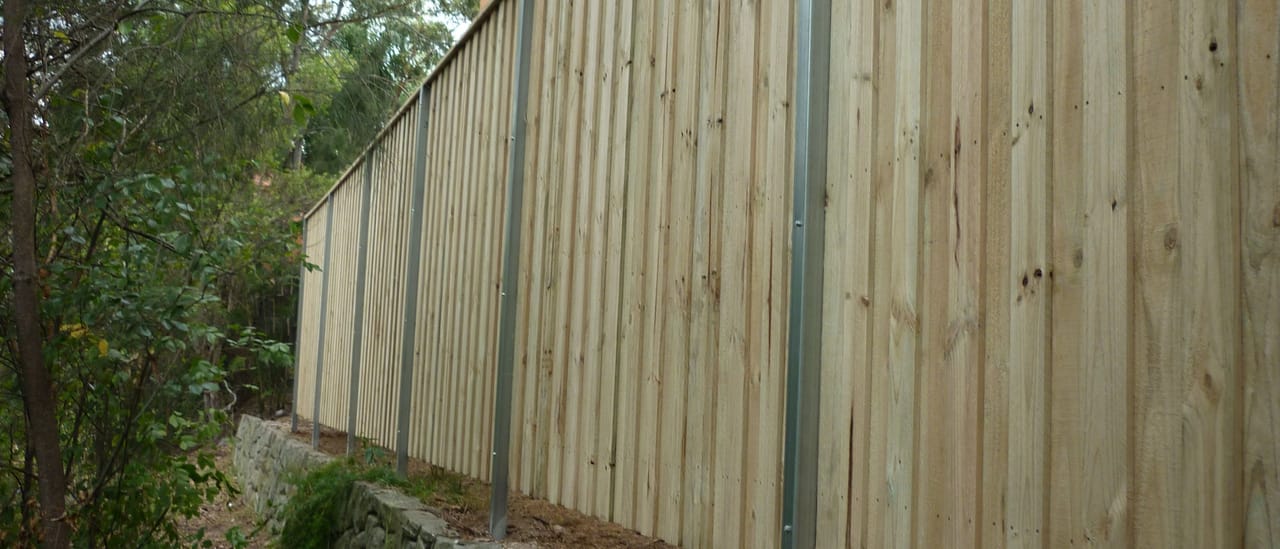
Overlapped palings with a capping rail along the top. The most substantial of the treated pine options, and the one to choose when privacy and a finished top line both matter.
A lap and cap fence does two things a single paling fence does not. The palings overlap each other, and a capping rail runs horizontally along the very top.
Overlapping the palings closes the sight line through the face of the fence. Instead of butting palings edge to edge, each paling laps over its neighbour, so there is no straight gap to see through.
The capping rail sits over the paling tops. It gives the fence a single clean line along the top, ties the run together visually, and covers the cut ends of the palings.
This is the most private of the treated pine options. Because the palings overlap, there is no direct line of sight through the face of the fence, and seasonal timber movement does not open up a gap the way it can on a single paling fence.
Common finished heights are 1.5m, 1.8m, 2.1m and 2.4m, with the capping rail forming the top. 1.8m and above is the usual choice where the fence is being built for privacy. Final height is confirmed on site against ground levels and any existing retaining.
Our own installations across Sydney. Tap any photo to see it larger.
Lap and cap treated pine timber fence with a timber capping rail along the top, built above an existing sandstone retaining wall in Sydney
Tall treated pine timber fence installed along a narrow side boundary between a brick house and the neighbouring property
Long treated pine timber fence built along a driveway and carport boundary at a Sydney property
Tall treated pine timber privacy fence built along a rear boundary at a Sydney property
Treated pine timber fence enclosing a paved outdoor living area with lounge seating at a Sydney home
Treated pine timber fence along a rear garden boundary with an autumn tree overhanging from the neighbouring property
A timber fence is only as good as what holds it up. Post depth, post type and rail spacing are decided by the height of the fence and what the ground is like.
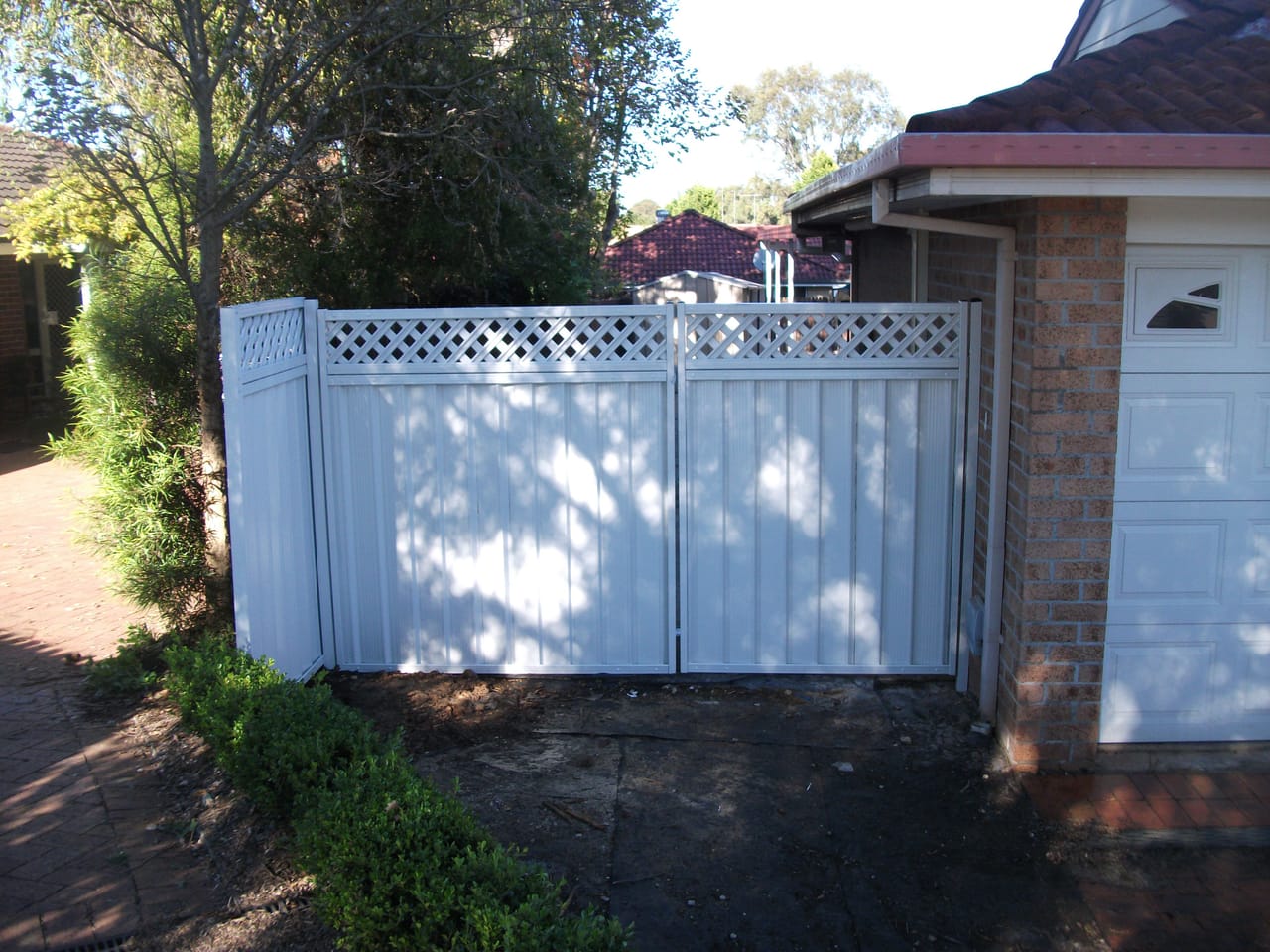
Gates are built lapped and capped to match, so the capping line carries through the gate and across the opening. This is the detail that makes a lap and cap run look complete rather than interrupted. Pedestrian, single, double and driveway gates can all be built this way.
Lap and cap is a common choice when replacing an old paling fence, because the upgrade in privacy and appearance is obvious. The old fence and footings come out, the line is re-established, and the new fence is built and capped.
A lapped and capped fence uses more material than a single paling fence over the same length, so getting material to the fence line matters. Narrow side access, steps and locked yards are all workable but change how the job runs.
A timber fence with overlapping palings and a capping rail along the top. The overlap closes the sight line through the fence face, and the capping rail finishes the top and covers the paling ends.
Both use overlapping palings. Lap and cap adds a capping rail along the top; lapped only leaves the paling tops exposed as the top line.
If privacy is the reason for the fence, or the top of the fence is highly visible, the overlap and the capping rail both earn their place. If you mainly need a straightforward boundary fence, single paling does the job.
Yes. Gates are built lapped and capped so the capping line carries through the gate and across the opening.
We supply and install lap & cap fencing across Sydney, from Western Sydney and the Hills through to the Inner West, the north and the south. Each quote is based on a site measure, because boundary length, access and ground levels all change what the job involves.
Same trade, different face. Here is how the alternatives differ.
One layer of palings fixed side by side to the rails. The most common timber boundary fence in Sydney and the most straightforward to repair paling by paling.
View fencePalings overlap to close the sight line through the fence, and the paling tops are left as the finished top line rather than being covered by a capping rail.
View fenceSingle paling construction using Australian hardwood palings. Denser and heavier than treated pine, with a different colour and grain that weathers to grey unless it is coated.
View fence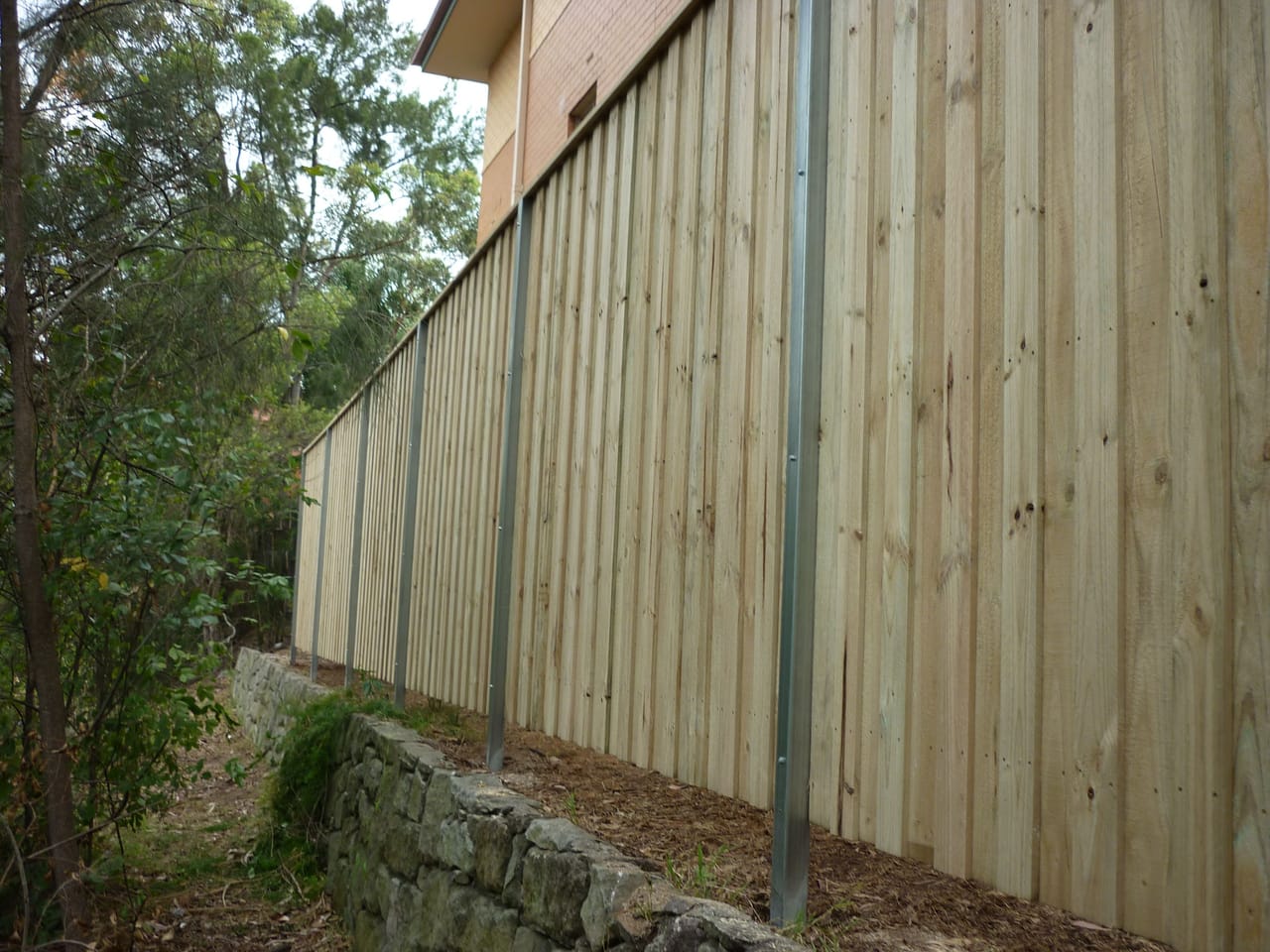
Tell us the length, the height and how many gates. Add photos of what is there now and you will get an estimate that reflects your actual site.
NSW Fencing Licence 269038C · ABN 76 612 245 594